Field notes · 19 October 2026
What a verification exercise actually checks in camp registration
A verification exercise is the periodic check that confirms the people on your registration list still exist, still live where the list says they live, and aren't counted twice under two different names. It's not the same thing as registration itself. Registration opens a file. Verification goes back and tests whether that file still matches reality, usually six months to two years later, depending on the agency's SOP and how volatile the population is.
If you've run one, you know the basic mechanics: call up households by family ID, check faces and fingerprints against the biometric record, confirm who's present, and flag anyone who doesn't show. The output is a cleaned caseload number that feeds back into ration planning, NFI distribution, and whatever headcount goes into the next situation report.
Why caseloads drift between verification rounds
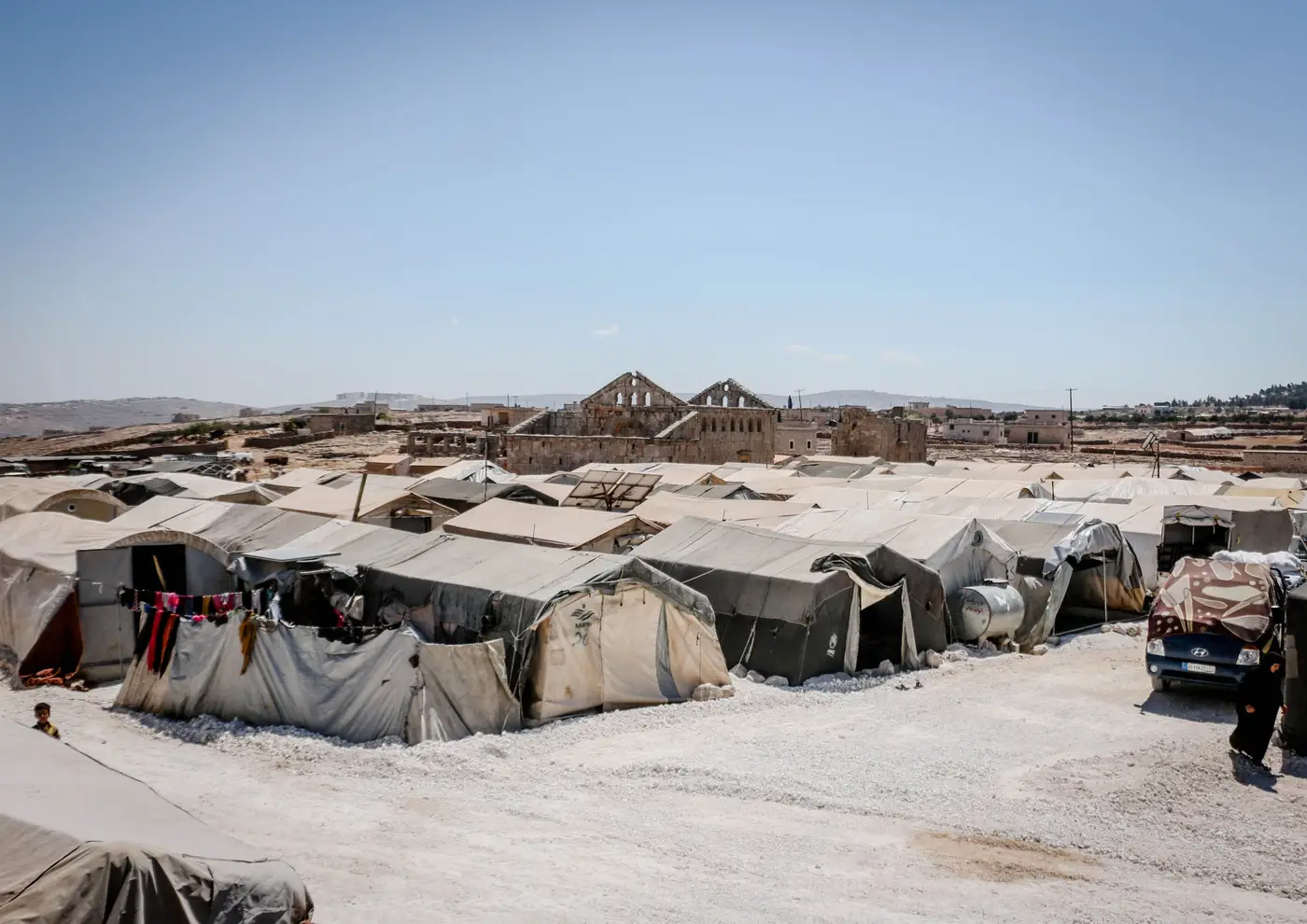
A camp's population almost never matches its last registered count, and not because registration was done badly. People leave for seasonal work and don't deregister. Families split a ration card across two shelters to double the entitlement. Someone dies and the household doesn't report it because the card still draws food. New arrivals squat in gaps between registered plots for months before anyone logs them. None of this shows up in a database until someone walks the camp and looks.
This is the gap that caseload verification is built to close, and it's also why relying only on the last registration sweep for planning is a problem. A registration done eighteen months ago tells you who was there eighteen months ago. It says nothing about the forty new shelters that went up along the camp's eastern edge last quarter, or the block that emptied out after the access road opened to a nearby town.
Biometric dedup and the ghost beneficiary problem
Biometric deduplication is the specific technical step inside a verification exercise that catches double registration. Iris or fingerprint data gets run against the full camp database, sometimes against a national or inter-agency registry too, to surface anyone enrolled under more than one identity. Without it, a household that registered once at intake and again during a later influx keeps drawing two rations indefinitely, and nobody notices because both records look clean on their own.
Ghost beneficiaries are the broader version of the same failure: names still active on the distribution list for people who've died, relocated, or never existed as a separate household in the first place. Some ghosts are fraud. Most are just administrative lag, a death or departure that never got processed. Either way, every ghost on the list is a ration going somewhere it shouldn't, and in a camp running tight on pipeline, that's not a rounding error.
Where shelter counts fit into this
A full verification exercise, biometric dedup, door-to-door interviews, the works, is expensive and slow, which is exactly why camps don't run them every month. But the shelter footprint doesn't wait for the next scheduled round. New structures go up between verifications, and a camp management officer sizing next month's ration order off a count that's a year and a half stale is going to be short, sometimes badly.
That's the narrower problem Refugee Camp Mapping is built for: a dated shelter count and footprint boundary from each month's imagery pass, so the number driving your caseload estimate between verification cycles is this month's structure count, not the last registration sweep. It doesn't replace biometric dedup or catch a ghost beneficiary sitting quietly in the database. What it does is tell you the camp grew by eighty structures on the north perimeter since last month, which is the kind of signal that should shorten the interval before your next verification round, or at least adjust the ration order while you wait for one.
If a growing footprint keeps outrunning your last headcount, see how a monthly shelter-count layer can sit between verification rounds with Refugee Camp Mapping.