Field notes · 2 November 2026
PDM survey vs. shelter count: what each one measures
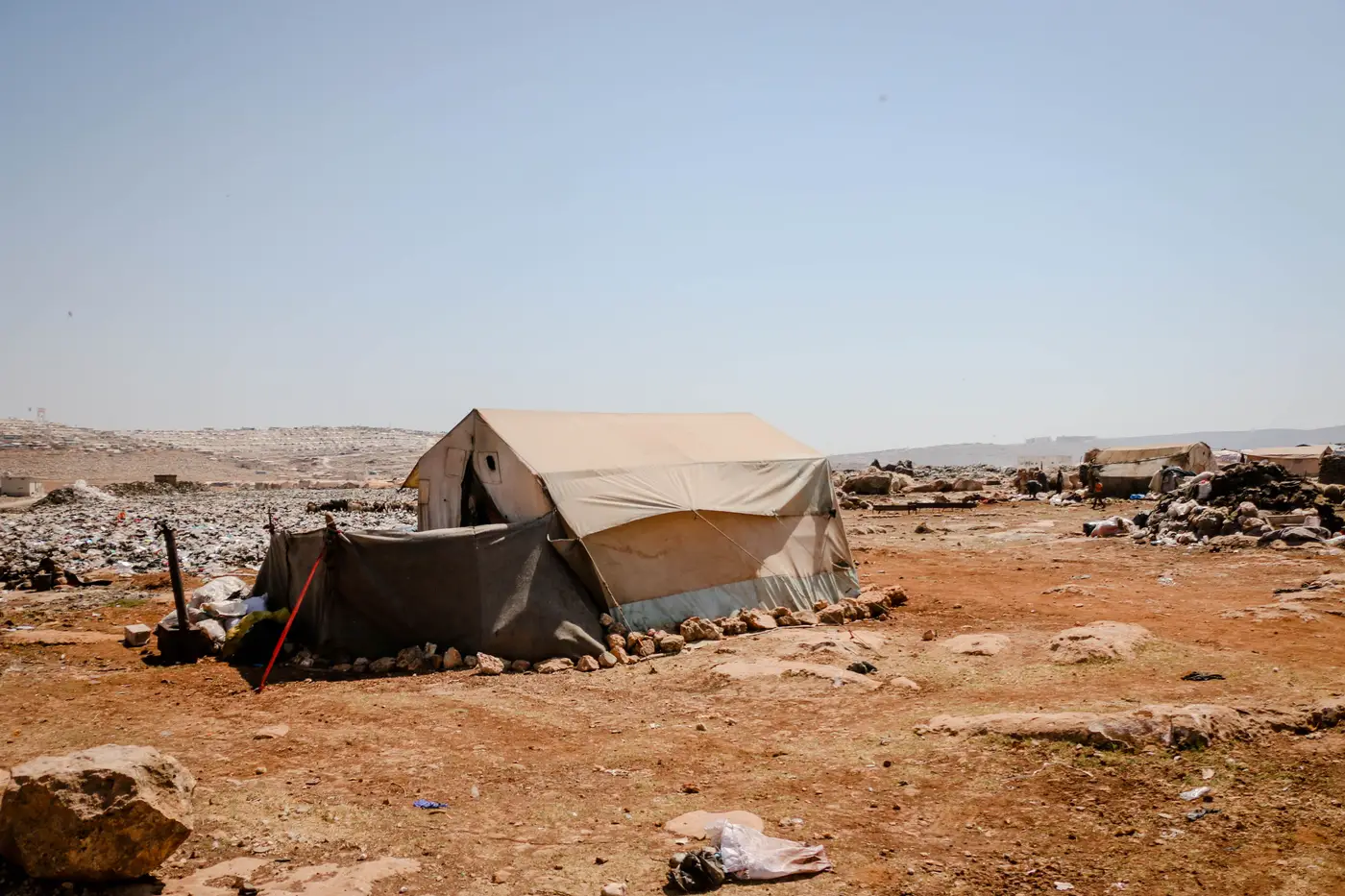
If you've sat through a coordination meeting where someone asks "do we have PDM data on this?" and someone else answers with a shelter count from last quarter, you've seen the confusion firsthand. They're not the same thing, and mixing them up in a report can send a sector coordinator chasing the wrong number.
A post-distribution monitoring survey, usually just called PDM, checks what happened after a distribution went out. Did the right households get their ration cards. Was the quantity correct. Did people sell part of the NFI kit to cover transport costs. It's an accountability tool aimed at one cycle of aid, built from interviews with a sample of recipients, usually a few weeks after the trucks left.
A shelter count is a different animal. It's a physical tally of structures on the ground, done by walking the blocks or reading imagery, and it tells you how many dwellings exist right now, where the settlement has grown, and where it's contracted. No interviews, no sampling, no recall bias about whether someone got soap or not. Just a count of roofs.
What a PDM survey checks
PDM teams are asking about process and satisfaction. Common questions: did you receive the full ration, was the distribution site accessible, did you feel safe collecting it, did you have to pay anyone to get your entitlement. The sample is usually drawn from the distribution list itself, so a PDM survey can only tell you about households that were already registered and showed up. It says nothing about the family that arrived last month and hasn't been through registration yet, because they're not in the sampling frame to begin with.
That's the gap that trips people up. A clean PDM report with 92% satisfaction scores can sit right next to a caseload that's quietly grown by 300 shelters since the last registration sweep, and the PDM won't catch it. It wasn't designed to.
What a shelter count checks instead
A shelter count doesn't ask anyone anything. It's a structural inventory, either walked by a field team block by block or read off imagery, and it gives you a number and a footprint. How many shelters stand in the camp this month, where the boundary has pushed out toward the wadi, where a block has emptied out after a return movement. It's the thing you hand to a donor when they ask "how big is this camp, actually," because registration lists lag and PDM samples don't cover new arrivals.
Camp managers who rely on registration data alone tend to find out about growth the hard way, when ration stocks run short at the last distribution point of the day. A monthly shelter count catches that earlier because it's counting structures, not households who've already been processed into a system.
Where the two overlap, and where they don't
Both feed into caseload planning, but from opposite ends. PDM tells you whether the last distribution reached people correctly. A shelter count tells you whether the population you're planning the next distribution for has changed shape. Neither replaces the other, and neither replaces registration, which is still the only source for individual-level entitlements, protection flags, and family composition.
Where this gets practical is in planning cycles. If you're drafting ration numbers for next month and your only input is the last registration sweep plus a PDM report from two distributions ago, you're planning against a camp that no longer exists on the ground. New shelters at the edge of the settlement, demolished structures in a flooded block, a cluster that's gone quiet after people left for a return convoy. None of that shows up in a PDM sample, because PDM only samples people who were already on the list.
A monthly footprint and shelter-count layer closes that gap without replacing the registration or the PDM cycle you already run. Refugee Camp Mapping turns a monthly VHR pass over the camp into a dated shelter count and a footprint-change map, keeping the number feeding your caseload planning current to this month's camp.
If your ration planning is still anchored to a registration date that's six months stale, it might be worth seeing what a monthly shelter count would catch.