Field notes · 13 October 2026
What is a planning figure in humanitarian response?
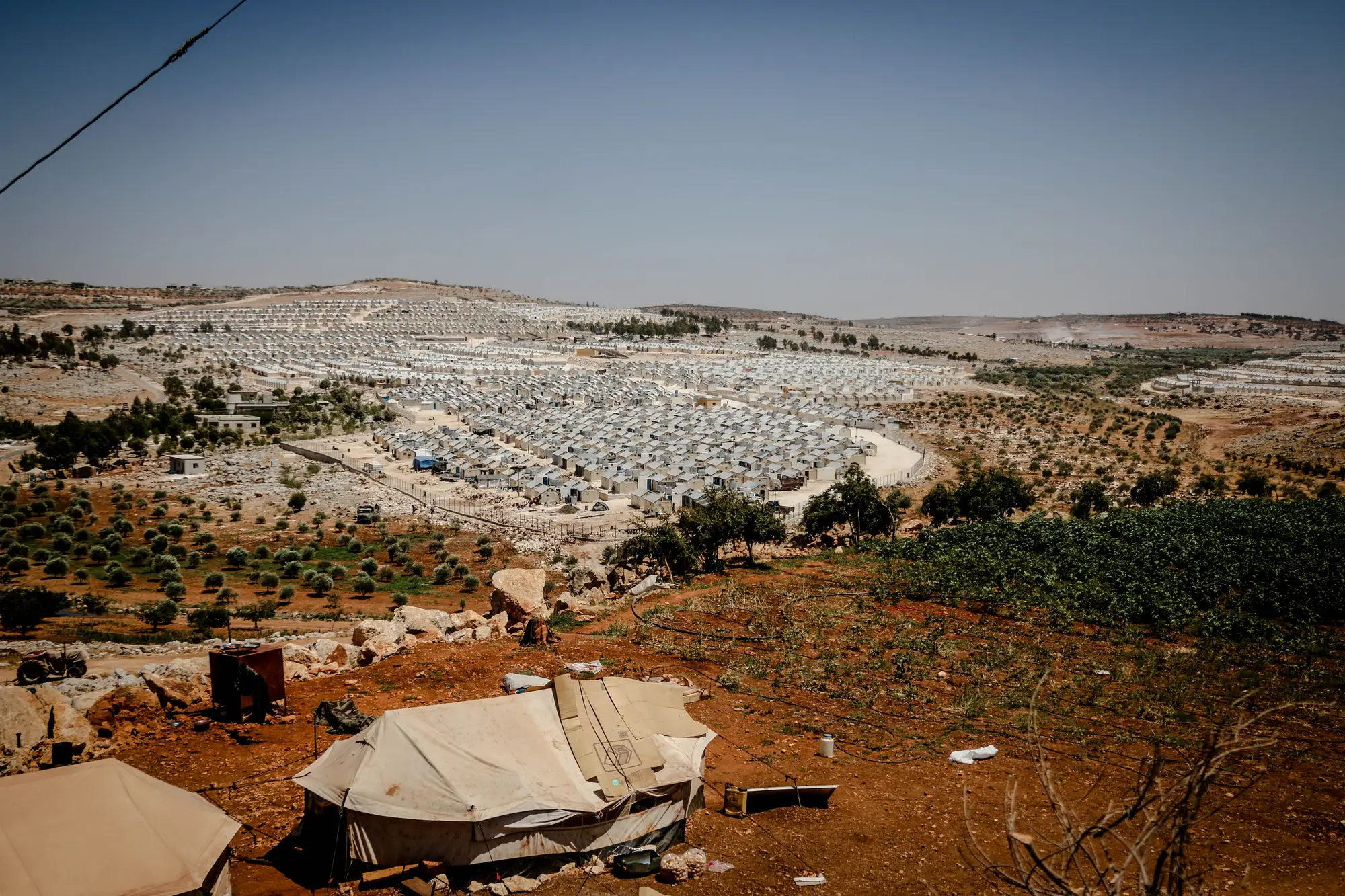
A planning figure is the number you use to size everything: ration tonnage, NFI kits, latrine ratios, water trucking contracts. It's not the same as your registered caseload, and mixing the two up is how a camp ends up either over-ordering by a wide margin or running short three weeks into the cycle.
Registered caseload is a count. It's the number of individuals who have gone through registration, been issued a card or a biometric token, and sit in the database as verified. It's exact, auditable, and tied to a date. A planning figure is a forecast. It's what you expect the population to be during the period you're planning for, which might be the next distribution cycle, the next quarter, or the next six months if you're writing a budget line for a donor.
The gap between the two is the whole problem. Registration takes time, staff, and often a scheduled sweep that only happens every few months in a settlement that isn't shrinking. New arrivals keep coming. Births happen. Some households split a shelter into two when a daughter marries or a cousin arrives from across the border, and now there are two cooking units where the registration database still shows one. None of that gets captured until the next sweep, but the ration order has to go out this month regardless.
Planning figure vs registered caseload
Think of registered caseload as your floor and the planning figure as your working estimate above it. A camp management officer who orders strictly to the registered number in a growing settlement is guaranteed to run short, because the settlement has grown since the last registration event closed. The planning figure is supposed to close that gap by applying a growth assumption, usually a monthly percentage pulled from arrival trends, birth registration, or whatever proxy data is available, on top of the last confirmed count.
The trouble is that growth assumptions are exactly that: assumptions. If your settlement is growing by spontaneous arrivals who settle in before they ever reach a registration desk, a flat growth rate built off last year's trend line will undercount the new blocks on the edge of the camp. Those blocks show up in a ration shortfall before they show up in any report.
How camp officers actually set the number
Most set a planning figure by taking the last verified registration total, applying a growth factor based on recent arrival and birth trends, and then adjusting against whatever ground-truth check is available: a partner's headcount at a distribution point, a WASH actor's latrine-ratio survey, a food security monitor's household visit numbers. Each of these is a partial check. None of them covers the whole footprint on a regular cycle, and none of them is dated the same way twice.
That's the actual gap a growing settlement exposes. The formulas for turning a count into a planning figure work fine. What's missing in most settlements is a current count to run them against. A registration sweep from four months ago plus a growth percentage is a reasonable estimate, but it's an estimate built on old ground truth, and in a settlement adding blocks every month, old ground truth compounds the error faster than any growth factor can correct for.
A monthly shelter count and footprint boundary closes that gap on its own schedule, pulling a dated structure count and a footprint-change layer from the same VHR pass each month. The planning figure you write into the ration order reflects this month's shelters.
If your settlement is still growing and your last confirmed count is older than you'd like, it's worth seeing what a current shelter count would change in your next planning cycle.