Field notes · 26 October 2026
What is a ghost household in a ration caseload?
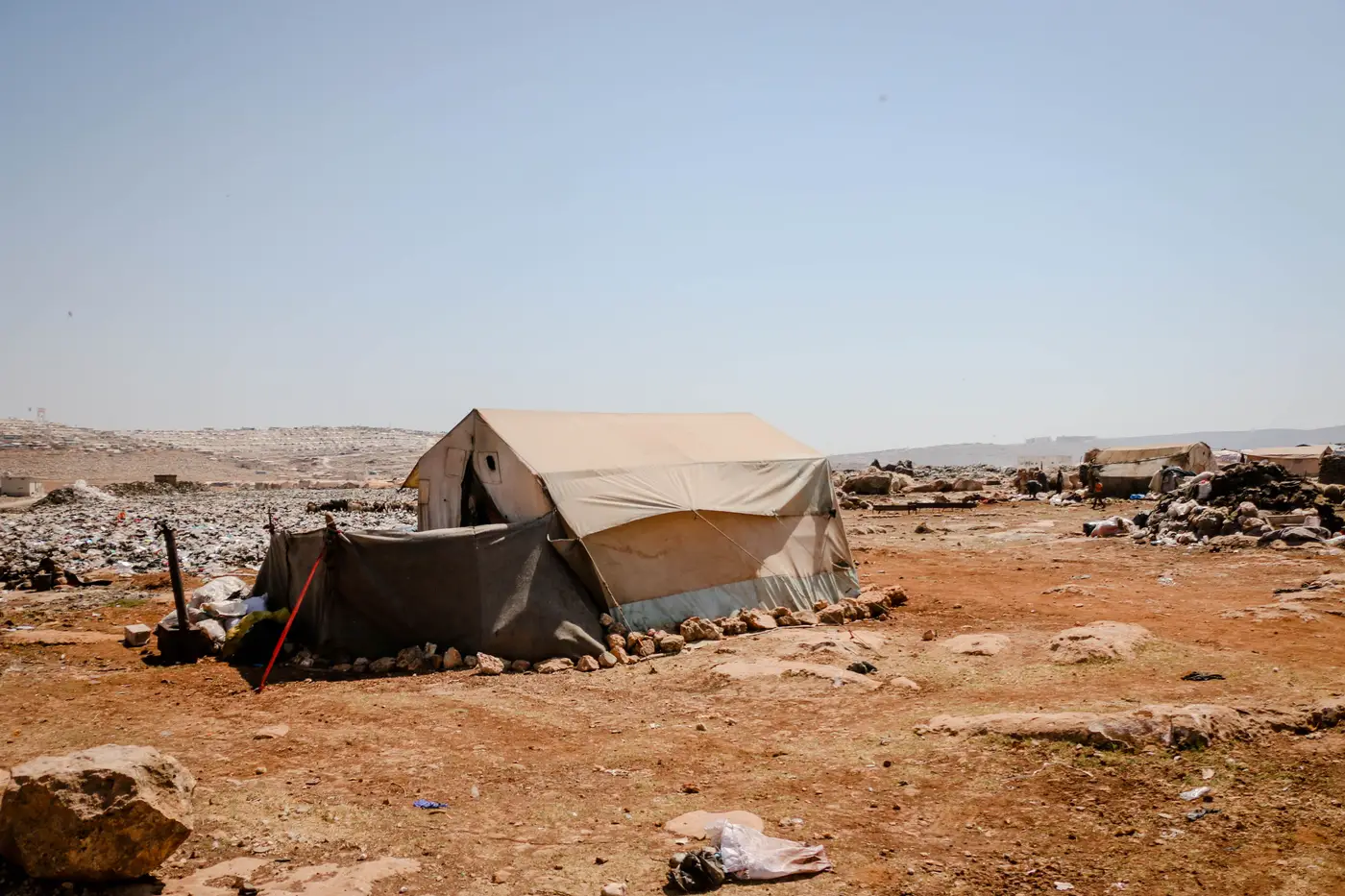
A ghost household shows up on paper but not on the ground. The name's still in the registration database, the ration card is still active, and the distribution list still carries a ration for however many people were recorded at registration. But the shelter is gone, the family moved to a relative's plot across the river, or someone on the roster died two registration cycles ago and nobody filed the paperwork to pull them off.
Camp management teams run into this constantly because registration happens once, maybe updated during a verification exercise every year or two, while the camp itself changes every week. Shelters collapse in the rains and get rebuilt somewhere else. Households split when a daughter marries into a different block. Households merge when one family takes in cousins after a shelter burns down. None of that gets captured until the next full verification, and by then the caseload number everyone's planning against is stale.
How phantom households inflate the caseload
The ration caseload is supposed to match the people present and eating each week. When ghost households sit on the list, the caseload runs higher than the population you'd count by walking the camp today. That sounds like a problem that favors the camp, extra food coming in, but it plays out badly in practice. Donors and logistics partners who see the caseload climb every quarter while population figures from other sources stay flat start asking hard questions. Ration cuts get applied across the board to correct for suspected inflation, and that hits real households just as hard as the ghost ones. When a verification exercise finally catches the gap, the correction is sharp: hundreds of households removed at once, trust in the registration system takes a hit, and the next round of verification gets harder because people legitimately missed in the chaos get lumped in with the fraud cases.
Deceased beneficiaries still on the distribution list
This is the specific case most camp management officers mean when they say "ghost beneficiary." Someone dies, at a health post or at home, and the family doesn't report it to the registration desk. Sometimes that's deliberate, because the ration card still draws a share for that person and removing a name feels like volunteering to lose food. Sometimes it's just oversight: the family is grieving, the registration office is a half-day walk away, and updating a ration card isn't the first thing on anyone's mind. Either way, the name stays active, the ration keeps getting drawn, and the caseload carries a person who isn't there anymore.
Multiply that across a camp of any size and the gap stops being trivial. A settlement that hasn't run a full verification in a year can be carrying ghost entries across deaths, departures, and households that quietly relocated without telling anyone, each one invisible to the list until someone checks.
Why the usual fix lags behind the problem
The standard answer is a verification exercise: send enumerators household to household, cross-check names against the list, flag anyone who can't be accounted for. It works, but it's slow and expensive to run often, so most camps do it once a year if that. Between verifications, caseload planning runs on a list that gets staler every month. A fast-growing camp has the opposite problem layered on top: new shelters go up faster than the registration desk can process new arrivals, so the list undercounts the living population in one part of the camp while still carrying ghosts in another.
What closes that gap month to month is an independent read of what's physically on the ground, something that doesn't depend on a household reporting its own changes. Refugee Camp Mapping does that by counting shelters from a monthly satellite pass and mapping where the camp's footprint has grown or shrunk, so a caseload estimate can be checked against a dated shelter count instead of running entirely on the last registration sweep.
If your ration planning is still anchored to a registration sweep from months ago, a monthly shelter count is worth a look.