Field notes · 14 October 2026
How to reconcile a shelter count with proGres registration data
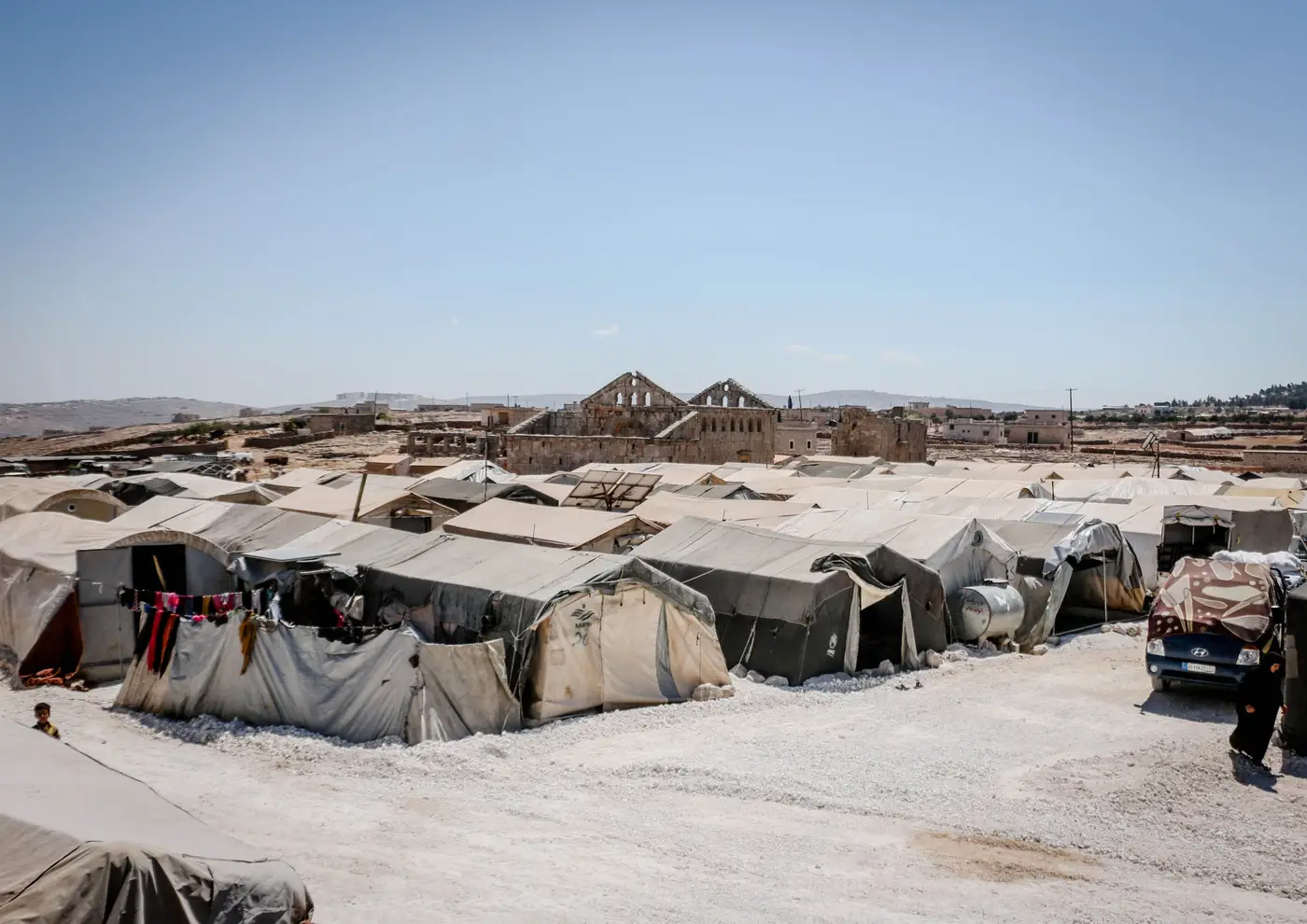
Your proGres export says 1,140 active cases in Zone 4. Your field team walks the zone and counts 1,260 shelters. Neither number is wrong. They're measuring two different things, and if you've been doing this job for more than one registration cycle, you already know the gap never fully closes. Reconciling them means closing that gap enough to plan rations and send a defensible figure up the chain, not forcing the two numbers to agree on paper.
Why registration and shelter counts drift apart
proGres tells you who registered and hasn't been deactivated since. A shelter count tells you what's standing on the ground right now. Those two things start diverging the day after a registration sweep ends, and they keep diverging until the next one.
The usual culprits, in roughly the order field teams run into them:
- Secondary occupancy. A family registers, then takes in relatives who arrived without appointments. One proGres record, two shelters, or one shelter with twice the people it was counted for.
- Abandoned structures. A household leaves (return, relocation, death) and proGres eventually catches up, but the tarp is still standing and still gets counted as a shelter until someone pulls it down or reassigns it.
- New arrivals waiting on biometric enrollment. In a growing settlement this is the big one. People build or are allocated a shelter weeks before they get a registration slot. Every one of those shelters is invisible to proGres and very visible on the ground.
- Shared and split shelters. One case splits into two structures after a dispute or a marriage, and nobody files the paperwork because nobody's required to.
- Unregistered births and deaths not yet closed. Small on their own, but they add up across a camp at the size most of us are managing.
None of this is a data quality failure. It's the normal lag between a biometric system that updates on an appointment cycle and a physical camp that doesn't wait for one.
A reconciliation workflow that holds up in a review
The mistake is comparing camp-wide totals. A 2% gap at the camp level can hide a block where proGres is short by 15% and another where it's over by 10%, and those cancel out on paper while causing real ration shortfalls in the block that's growing fastest.
Work at the smallest unit you manage, block or sector:
- Pull the proGres active caseload export by block, filtered to active status, same date you're about to pull a shelter count.
- Pull or commission a shelter count for the same footprint, same week. The closer the two dates sit, the less of the gap is explained by normal movement rather than an actual discrepancy.
- Compare block by block, not camp-wide. Flag any block where the shelter count exceeds the registered caseload by more than your working threshold. That's your priority list for field verification, not the whole camp.
- Send verification teams only to flagged blocks. A full re-registration sweep is expensive and slow. A targeted walk-through of three or four flagged blocks is something a field team can finish in a week.
- Document the gap you can't close, with a date. Not every discrepancy resolves before the next ration cycle. Write down what you know: block, proGres count, shelter count, date of each, and your working explanation (new arrivals pending enrollment, suspected secondary occupancy, etc.). That note is what protects your ration planning decision later, when someone asks why the figure you used didn't match the registration database.
The part that actually changes planning outcomes is step 2: having a shelter count that's current enough to be worth comparing. A registration sweep from four months ago tells you almost nothing about a block that's added forty structures since. A monthly shelter count and footprint layer, dated against the same calendar you're already working to, is what makes this comparison worth doing instead of a formality you run once and shelve.
When the gap won't close
Sometimes the honest answer is that you have more shelters than registered cases and you don't yet know why. That's fine to write down. Plan rations to the shelter count in that block for the current cycle, flag it to the registration team for the next enrollment pass, and move on. Forcing proGres and the physical camp to agree on paper doesn't feed anyone; it just hides the question until the next audit asks it again.
If your shelter counts are coming from the last registration sweep or an old baseline map, start by getting a current one to compare against.