Field notes · 9 November 2026
Budgeting contingency stock when your caseload won't hold still
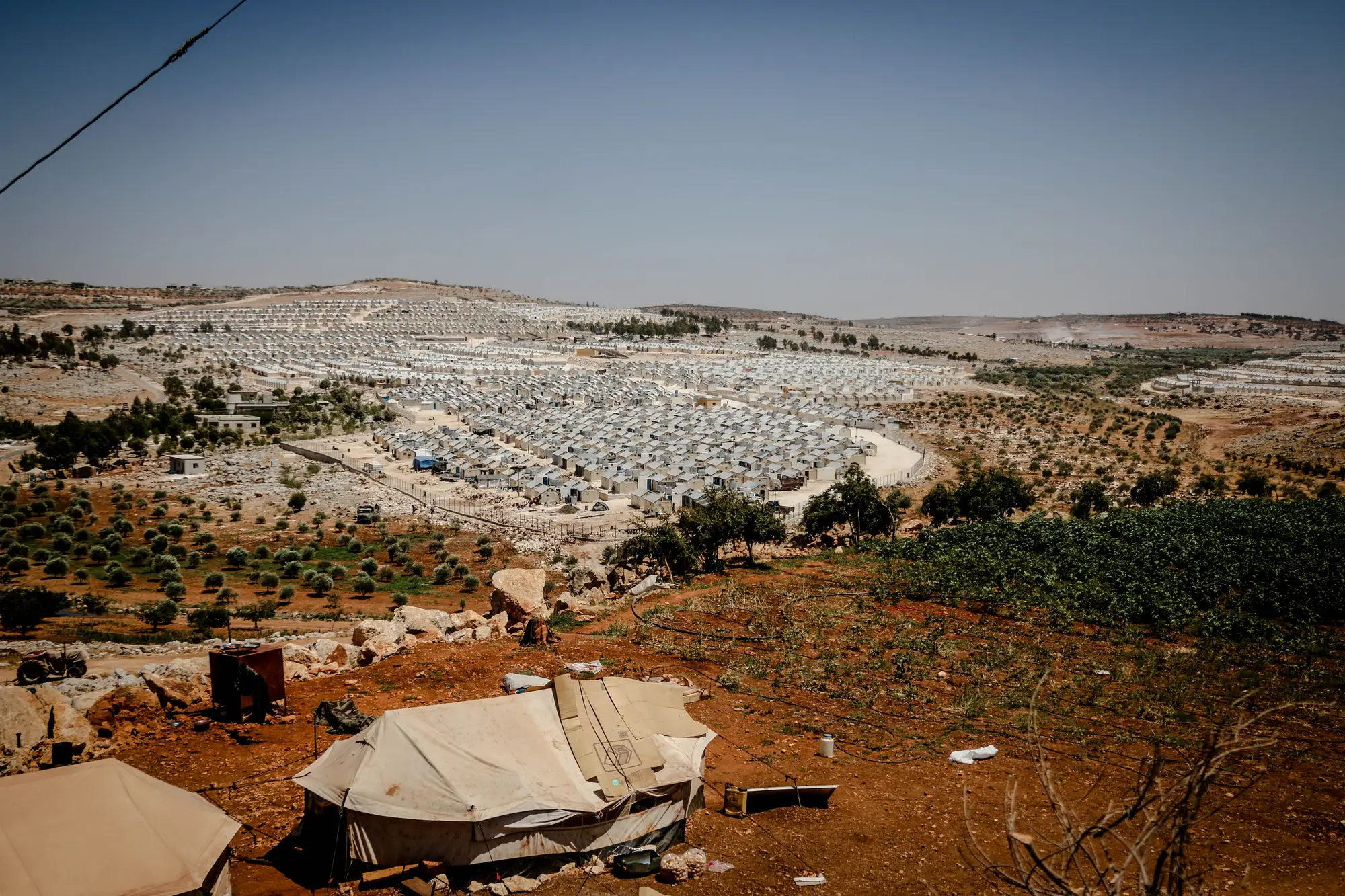
Every warehouse manager who has worked a growing settlement knows the feeling: the stock plan was built off last quarter's registration figure, and by the time the trucks arrive, three new blocks have gone up on the edge of the site. The ration count is already short before distribution day even starts.
Contingency stock exists for exactly this gap. But too many camps still size it as a flat percentage pulled from a template, the same 10 percent whether the population is stable or climbing fast. That number works fine for a camp that isn't growing. It falls apart the moment new arrivals start outpacing your last headcount by more than the buffer can absorb.
Start from the growth rate, not the caseload
A caseload growth margin tracks how fast the population is changing month to month and carries that trend forward into the gap before the next count. If your site added roughly 200 households over the last two registration cycles, your contingency math needs to carry that trend into the weeks ahead, not just pad the current total by a fixed amount.
The practical steps:
- Pull your last two or three population counts and work out the monthly rate of change between each pair, since a single jump from oldest to newest hides whether growth is speeding up or slowing down.
- Apply that rate forward to the number of weeks until your next confirmed registration sweep or shelter count.
- Size the buffer to cover that projected gap, plus a smaller flat margin for the arrivals nobody saw coming, the family that walked in overnight, the group that split off from a neighboring site.
This gives you two separate numbers stacked together: a growth component tied to trend, and a flat component for noise. Most stock plans only have the second one, which is why they run tight in exactly the months the camp is expanding fastest.
Growth-rate math is only as good as the count feeding it. A registration sweep that ran eight weeks ago is already out of date on what's happening on the ground this week. A shelter count from the latest flyover of the camp gives you a dated, map-based footprint figure to recalculate against, so the trend you're budgeting from reflects what's been built, not what was true the last time a field team walked the blocks.
Pipeline break planning is a separate line, not the same buffer
Contingency stock for caseload growth and buffer stock for a broken supply pipeline answer two different questions, and conflating them is how plans run out at the worst moment. Growth stock covers people you expect to feed who aren't registered yet. Pipeline break stock covers everyone already registered, in the week a shipment is delayed, a border crossing closes, or a supplier misses a delivery window.
Size pipeline break stock off your actual lead time variability, not a guess. Look at your last several procurement cycles and find the longest delay you've experienced between order and arrival, not the average. That worst case, converted into days of ration need for your current full caseload, is your pipeline buffer. It should sit as a separate line in the warehouse, not blended into the growth margin, because a sudden caseload spike and a late truck can both happen in the same month, and a single combined buffer sized for either one alone won't cover both at once.
Recheck the trend monthly, not at the next registration
A stale input causes more planning failures than a wrong formula. A growth margin calculated from a six-month-old count is a margin calculated from a camp that no longer exists in that shape. If the footprint has spread into a new sector since your last field sweep, your growth rate is understating what's actually arriving, and the contingency figure built on it is already behind.
Pair the growth-margin method above with a monthly shelter count and footprint map and the recalculation becomes routine instead of a scramble before every distribution. If that's the piece you're missing, take a look at what Refugee Camp Mapping delivers each month and see if it fits your planning cycle.