Field notes · 26 October 2026
Gross caseload vs net caseload: fixing the ration planning gap
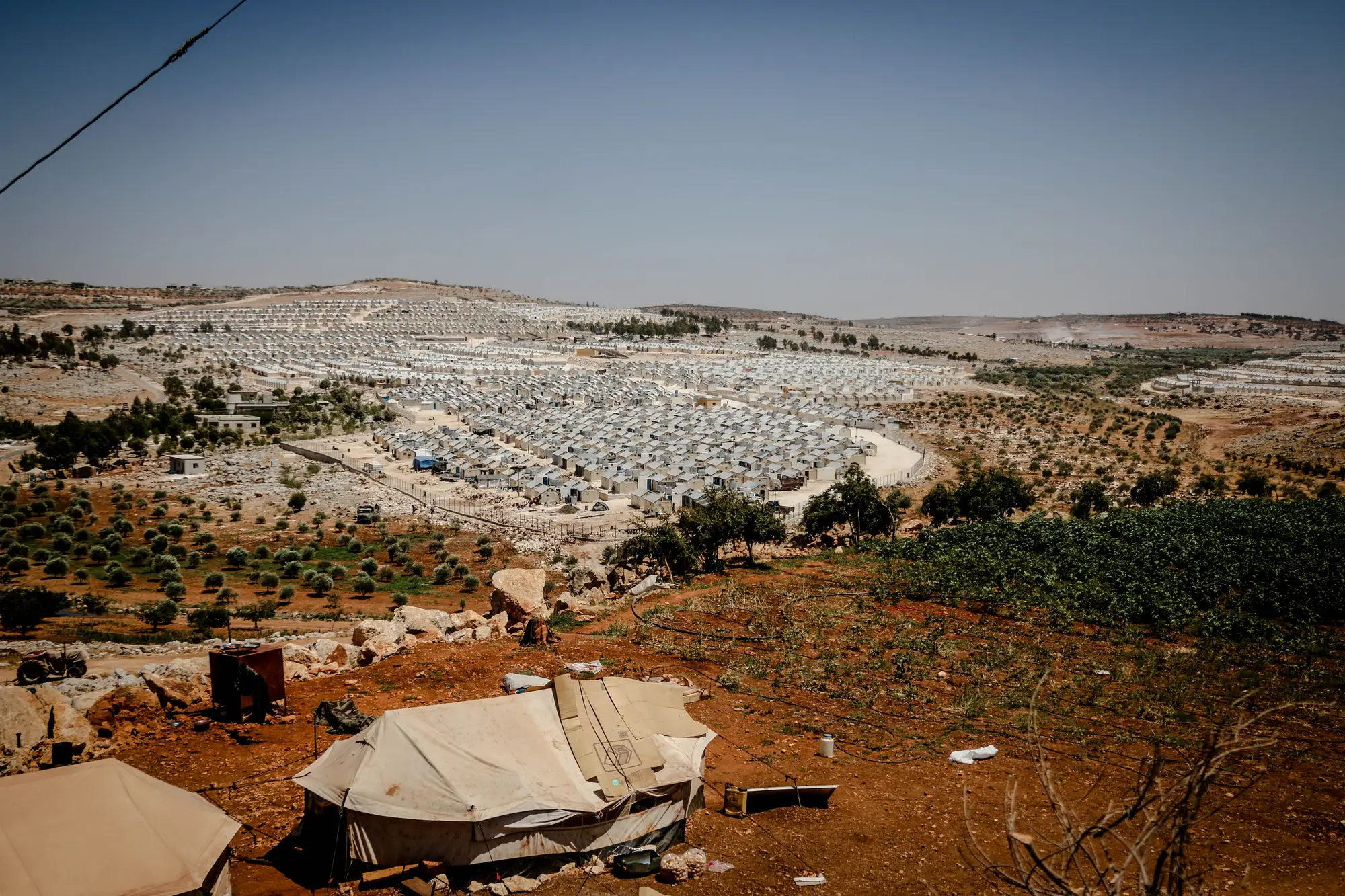
If you've sat in a food security working group meeting and watched two agencies argue over the same camp's population using two different numbers, you already know the problem. One number is the planning figure. The other is the confirmed caseload. They are not the same thing, and conflating them is how ration pipelines end up either short or sitting on surplus nobody can account for.
Gross caseload vs net caseload, in plain terms
Gross caseload is the headline number: everyone believed to be living in the settlement, including new arrivals who haven't been through registration, people who've self-settled on the edges, and secondary movers who showed up after the last verification exercise. It's the number you'd quote to a donor asking "how big is this camp now."
Net caseload is what's left after you strip out duplicates, deaths, departures, and anyone who's been flagged in a biometric dedup exercise as already counted elsewhere. It's the number ration planning should actually run on, because it reflects who's drawing a ration card this cycle, not who might be entitled to one eventually.
The gap between the two grows for a predictable reason: registration is expensive and slow, so it happens in sweeps, usually every few months at best. In between sweeps, the camp doesn't stop growing. New shelters go up along the perimeter, people move in with relatives, and none of that shows up in either number until the next verification round catches up.
Why the planning figure drifts from the confirmed caseload
The planning figure an officer submits to WFP or a national food security cluster is usually built off the last confirmed registration, adjusted by an assumed growth rate. That growth rate is a guess dressed up as a projection. It might be right for a stable camp with low new-arrival pressure. It's almost always wrong for a growing settlement, especially one near a border or a transit corridor where arrivals spike without warning.
The result is a ration caseload adjustment that's reactive instead of planned. Distribution teams run short mid-cycle, issue partial rations, or pull from a contingency stock that was meant for something else. Then the next registration sweep confirms what everyone already suspected on the ground: the planning figure was off by a wide enough margin that the previous month's allocation didn't match reality.
None of this is a data quality failure in the usual sense. The registration data is fine, as far as it goes. It just goes stale the moment shelter count starts moving, and in a growing camp that's within weeks.
Closing the gap without waiting for the next sweep
A more frequent, independent signal on shelter footprint growth closes that gap. It shows whether the camp is expanding faster or slower than your planning figure assumes, early enough to adjust before the ration cycle instead of after a shortfall. A monthly shelter count from satellite imagery won't replace registration, it can't give you names, family composition, or vulnerability flags, but it tells you, between sweeps, whether the physical footprint is still tracking your gross caseload assumption or has already outgrown it.
That's the gap Refugee Camp Mapping is built to close: a dated shelter count and footprint-change map pulled from a monthly satellite pass, so you have a count that moves on the same calendar as your ration cycle instead of the registration calendar. It won't tell you who's in each shelter, but it will tell you if the camp has added three hundred structures since your last confirmed caseload, which is usually the first sign that your net number needs revisiting before the next distribution, not after it.
In practice, the officers who get this right treat gross caseload as the ceiling, net caseload as the floor, and use whatever monthly signal they can get on footprint growth to decide where in that range to plan rations for the coming cycle. The planning figure stops being a guess and starts being an estimate with a visible error bar.
If your current adjustment process is "wait for the shortfall, then request a top-up," there's a cheaper way to see it coming.