Field notes · 19 October 2026
Field notes: the dry season that finally let the imagery catch up
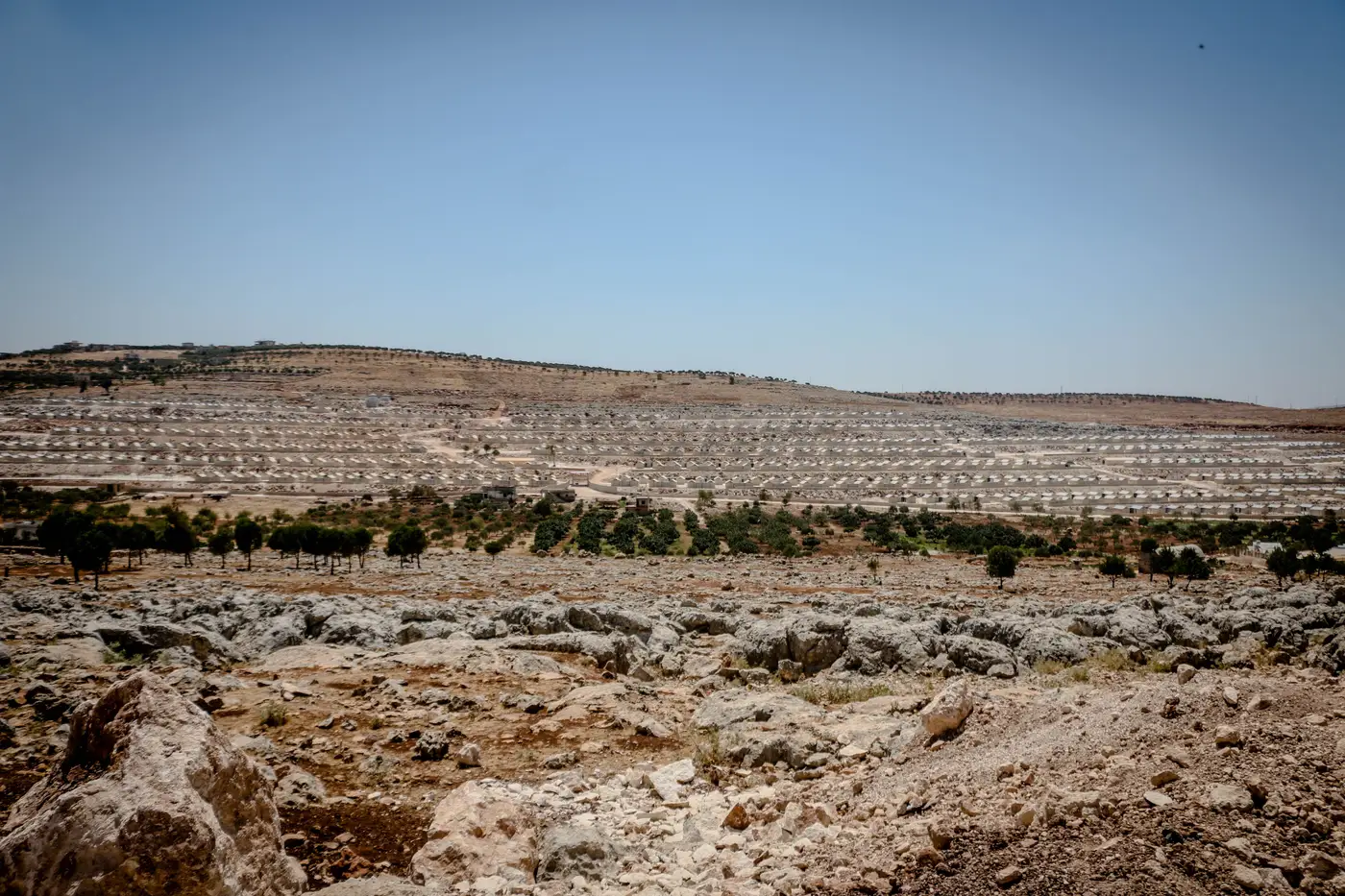
Three cloud-outs in a row. That's what this rainy season handed the tasking queue, three monthly passes where the order came back more haze than ground. Anyone who builds caseload numbers off VHR imagery knows this stretch personally. The archive fills with frames you can't use for anything but checking the sensor still works, and the shelter count you're planning against gets a month older every time a pass fails.
Then, somewhere around the third week of the dry season, the sky just opens up. That week is the part worth writing down.
What a clean pass gives back
The first clean image after a run of cloud cover reads less like a normal update and more like a correction. It shows everything that happened while the count was still running off a registration sweep from before the rains started: new rows along the drainage line that nobody flagged because the last field visit predated them, a cluster near the eastern boundary that's gone from a dozen structures to something closer to forty. The footprint has moved in ways that no single ration distribution or registration update captured, because nothing was watching in between.
This is the thing about an imagery backlog that doesn't get said often enough: every missed pass compounds the gap between what the roster says and what the ground says. A missed pass in month one is a missed pass. A missed pass in month one followed by cloud in month two means your planning figures are now carrying two months of settlement growth on a single registration baseline, and nobody flagged that the baseline was stale because there was no new pass to compare it against.
Clear sky doesn't make the gap disappear
I've heard camp staff talk about the dry months as the "catch-up window," and that's fair as far as it goes. Clear sky means the tasking actually fires, the pass comes back usable, and whoever's doing shelter counts gets to work with something current instead of patching old data with field reports. But treating four or five good months as the real measurement season, and the cloud-bound months as a write-off, just moves the same problem somewhere else. Caseload planning built on count-when-you-can doesn't know in advance which months it's going to be missing, and ration allocation doesn't pause just because the imagery did.
What helps is lower expectations for any single month and higher expectations for the series. One cloud-out pass is manageable if the next one lands on schedule and you can see the footprint change between the two; the trouble starts when nobody's tracking the gap, when "the last time we had a usable image" quietly becomes "the number we're still using," three months later, because no one checked the date on it.
What I'm doing differently this season
Going into this dry stretch, the plan is to stop treating a clean pass as a bonus and start treating it as the baseline the whole caseload estimate should be built on, dated, boundary-mapped, checked against the last count rather than against whatever registration figure happens to be floating around the office. Refugee Camp Mapping turns a monthly VHR pass into exactly that, a shelter count and a footprint boundary with a date attached, so the planning number has a timestamp instead of a guess attached to it.
The cloud will come back eventually, and the count on file will sit there aging a month at a time until the next clear pass logs a new date on it.
If your caseload figures are still running off the last registration sweep, it's worth seeing what a dated monthly count would change.